
Member CEO Update: From Priorities to Action
July has brought a new Government, new ministerial leadership and significant activity against the workforce priorities agreed by members through the Skills Strategy 2025-2030.
For energy, water, waste and critical infrastructure, this creates an important opportunity to ensure workforce needs are understood early by key decision makers and reflected in national policy, investment and delivery.
This update brings together activity across government engagement, technical education, apprenticeships, migration, Sector Entry, workforce planning and member investment.
Read alongside the Energy & Utility Skills Partnership (EUSP) CEO Council priorities, it shows how our shared framework across Research, Attract, Develop and Retain is being converted into evidence, influence, action and practical value for members.

Reporting Progress Against the Skills Strategy
Members can review the latest quarterly Skills Strategy 2025-2030 update, which tracks progress against agreed priorities and highlights current activity supporting workforce development across the sector. The update provides a clear line of sight between the priorities agreed through the EUSP CEO Council and the action now being taken to support long-term skills, workforce capability and delivery across energy, water, waste and critical infrastructure.

Influencing the new Government
Following the formation of the new Government, early engagement is focused on ensuring sector priorities are understood by the departments and ministers whose decisions will shape workforce policy, infrastructure delivery, skills investment and economic growth. Each letter reflects priorities approved by the EUSP CEO Council and sets out a specific departmental ask, maintaining a consistent, member-led position across energy, environment, business, education and skills.
- Letter to DBIST Secretary of State – Tuesday 28 July 2026
- Letter to DEFRA Secretary of State – Tuesday 28 July 2026
- Letter to DESNZ Secretary of State – Tuesday 28 July 2026
- Letter to DfE Secretary of State – Tuesday 28 July 2026
- Ministerial Letter – Skills Minister Baroness Jacqui Smith – Monday 13 July 2026
- Ministerial Letter to Skills Minister – Friday 24 July 2026

Supporting the Young People and Work Review
Paul Cox, Group CEO of Energy & Utility Skills Group, and Andrew Findlay, CEO of M Group and Co-chair of the Energy & Utility Skills Partnership CEO Council, met Rt Hon Alan Milburn this week to discuss how the sector can support more young people into skilled, long-term employment. The discussion focused on practical solutions, using employer demand, real vacancies and early evidence from Sector Entry to help test what works. This gives the sector a direct route to demonstrate how employer demand, real vacancies and Sector Entry can support national action on youth employment.

Research that reaches decision makers: Migration Advisory Committee
Evidence only creates value when it influences decisions. Following employer evidence submitted to the Migration Advisory Committee, 28 of the 31 roles put forward were recommended. This is a strong outcome for employers navigating workforce shortages, recruitment pressures and the changing role of migration. It demonstrates the practical value of combining employer insight, robust workforce evidence and collective influence to shape national policy in areas that matter to CEOs, CPOs, COOs and CFOs.
Sector Entry: early success and next steps
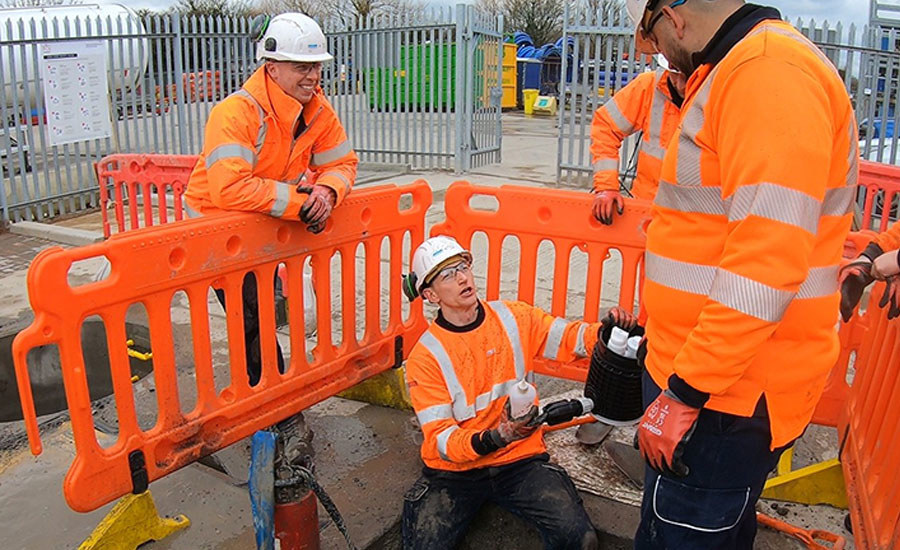
Sector Entry was established in response to a priority identified by members through the CEO Council: creating clearer routes into entrant roles. Early pilots with DWP and a small group of members have supported 18 of 21 unemployed participants into employment, an 86% employment outcome. The next step is to test the model at greater scale, connecting more people with real vacancies and helping employers access a broader pool of work-ready talent.

Apprenticeships: funding, levy reform and clear evidence
Apprenticeships remain central to workforce development across energy, water, waste and critical infrastructure. Our response on apprenticeship funding and Growth and Skills Levy reforms, helped employers understand the potential implications of emerging policy developments. Evidence submitted to the All-Party Parliamentary Group inquiry into apprenticeships, directly reflects the EUSP CEO Council’s agreed priorities and June 2026 discussion points, ensuring members’ collective position is consistently represented in national policy debate.

Responding to Technical Education and Growth and Skills Levy Announcements
Recent Government announcements on technical education and additional Growth and Skills Levy measures create an opportunity to widen access, strengthen apprenticeship pathways and build the future workforce needed across energy, water, waste and recycling. Commitments to support eligible under-25s and smaller businesses recruiting young apprentices are particularly relevant to members seeking to increase participation and develop stronger routes into skilled employment.

Sector Workforce Platform: upcoming Invitation to Tender
With members and industry, our ambition is to better connect careers, jobs, talent and workforce development across energy, water and waste. Following an engagement and testing phase, an Invitation to Tender is planned for August for the potential development of a new sector workforce platform. The platform would build on existing assets and member insight, supporting workforce attraction, development, mobility and longer-term workforce planning.

Building strategic relationships across industry
Shared workforce and skills challenges across construction, energy and utilities create opportunities for stronger collaboration, particularly around infrastructure delivery, workforce planning and skills capacity. Engagement with senior representatives from the Construction Leadership Council is helping identify where coordinated sector influence, shared learning and practical collaboration could support national growth and infrastructure delivery.

Autumn political engagement
Engagement with the new Government is part of a wider autumn programme to ensure workforce priorities agreed by members are understood across the political spectrum. Energy & Utility Skills Group plans to attend major party conferences across the UK. If you are attending, there may be opportunities to coordinate activity, share intelligence and amplify the sector’s collective voice.
Investing in members: Energy & Utilities Careers & Jobs
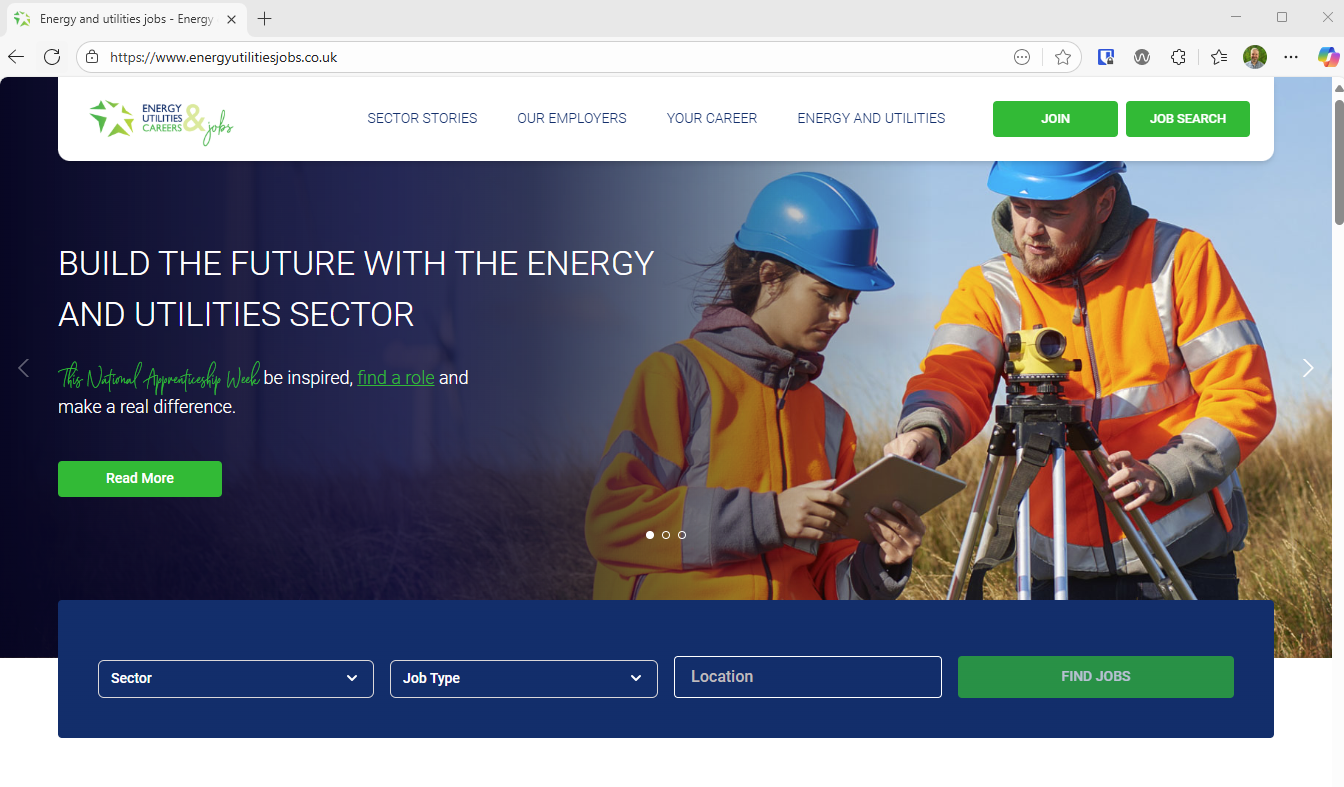
Attracting more than 40,000 new people every year to 2030 requires visible career routes, cost-effective recruitment and stronger connection between employers and candidates. Energy & Utilities Careers & Jobs is a sector asset designed to support that challenge. For 2026/27, members receive 200 job postings within membership, providing £2,000 of additional value at no extra cost. Unlimited posting has also reduced from £8,000 to £5,000, making recruitment at scale more affordable.

Strengthening our communications and policy capability
Strengthened communications and policy capability will help increase the reach of member evidence, sector priorities and collective impact. We are pleased to introduce Jade Uko, Head of Corporate Communications, and Poppy Payton, Corporate Communications Executive, who will focus on communicating evidence, policy priorities, member activity and impact with greater speed, clarity and reach.
Every update included here is rooted in the priorities identified by members through the Skills Strategy 2025-2030. Together, this activity demonstrates how employer evidence is shaping policy engagement, influencing reform and supporting practical action to build the skills and workforce capability needed for energy security, infrastructure investment and sustainable economic growth.
If you would like to discuss any of this activity or share employer insight to support our ongoing work, please contact collaborate@euskills.co.uk