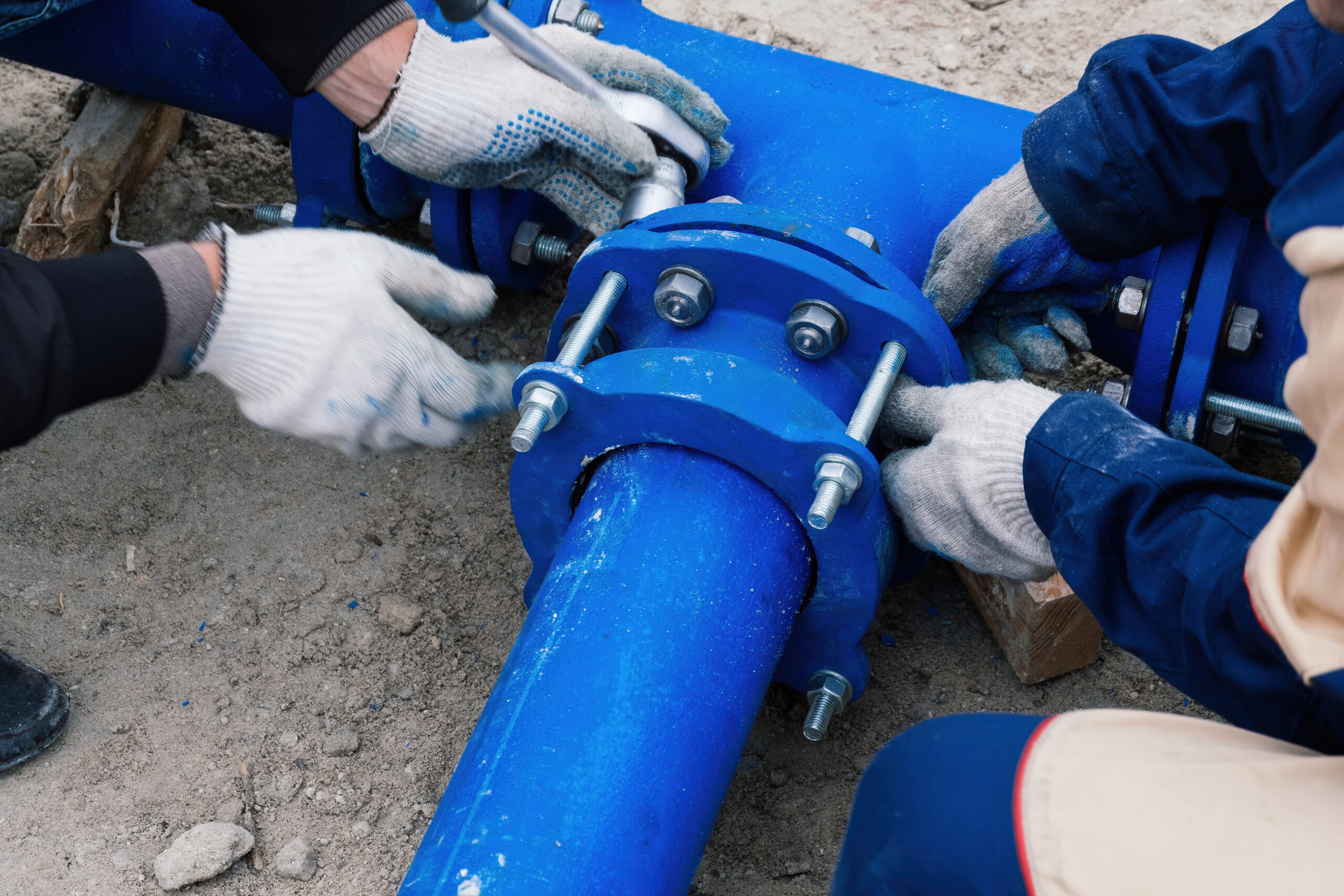
Ensuring the UK’s water network has the skills it needs for the future
The full suite of National Occupational Standards (NOS) for maintaining water supply and leak detection and control has now been fully reviewed and updated. This work ensures the sector continues to operate to the highest standards of safety, competence, and consistency, supporting the UK’s long-term goals for resilient water services. These revised standards help organisations and training providers keep pace with modern practice and strengthen workforce capability across the network.
Why this work matters
Leak detection and control is vital to the effective operation of the UK’s water distribution network. The updated NOS suite gives employers, trainers, and assessors a clear and current benchmark for the knowledge and skills needed to identify, locate and manage leaks safely and effectively. These standards also underpin the development of the Scottish Qualifications, ensuring learners and employers benefit from a robust, up-to-date framework.
As a result of this review, organisations can be more confident that training and assessment align with today’s operational expectations, reducing risk, improving safety, and supporting long-term asset resilience.
Collaboration across Scotland’s water community
This review was made possible through strong partnership across the sector. Energy & Utility Skills would like to thank all contributors for their insight and commitment, especially:
- Scottish Water for its continued leadership and sector expertise
- McCrae Training for bringing essential frontline training experience
- Severn Trent Water
- 3T Global
- All other representatives from the wider water group for their time, feedback, and specialist knowledge
The outcome reflects the value of collective effort: a shared determination to equip Scotland’s workforce with the skills required for safe, consistent and effective leak detection.
What this means for the sector
Together, this work supports:
- The skills required to maintain drinking water supply to meet regulatory standards to protect public health
- A safer workforce with clear expectations for competence across leak detection activities
- High-quality training aligned with industry practice and employer need
- Consistency across the four nations maintaining portability and comparability of skills
- Confidence for employers and learners using standards recognised across the UK
It also contributes directly to the Energy and Utilities 2025–2030 Skills Strategy by strengthening capability in a critical technical area and supporting long-term workforce renewal.
Gillian McFarlane, Technical & Vocational Skills Academy Manager at Scottish Water, said:
“Maintaining high standards of competence is essential to the safe and reliable operation of our network. These updated National Occupational Standards ensure our people have the skills, confidence and clarity they need to deliver for our customers and communities every day.”
Steve Barrett, Energy & Utility Skills, added:
“These updated National Occupational Standards ensure that Scotland’s water professionals have a clear, current and trusted benchmark for competence. This work reflects the commitment and expertise of our members, and the value of collaboration in strengthening safety and capability across the sector.”
Access the updated NOS
The updated NOS suite is now available for organisations, training providers and assessors across Scotland and the wider UK to use.