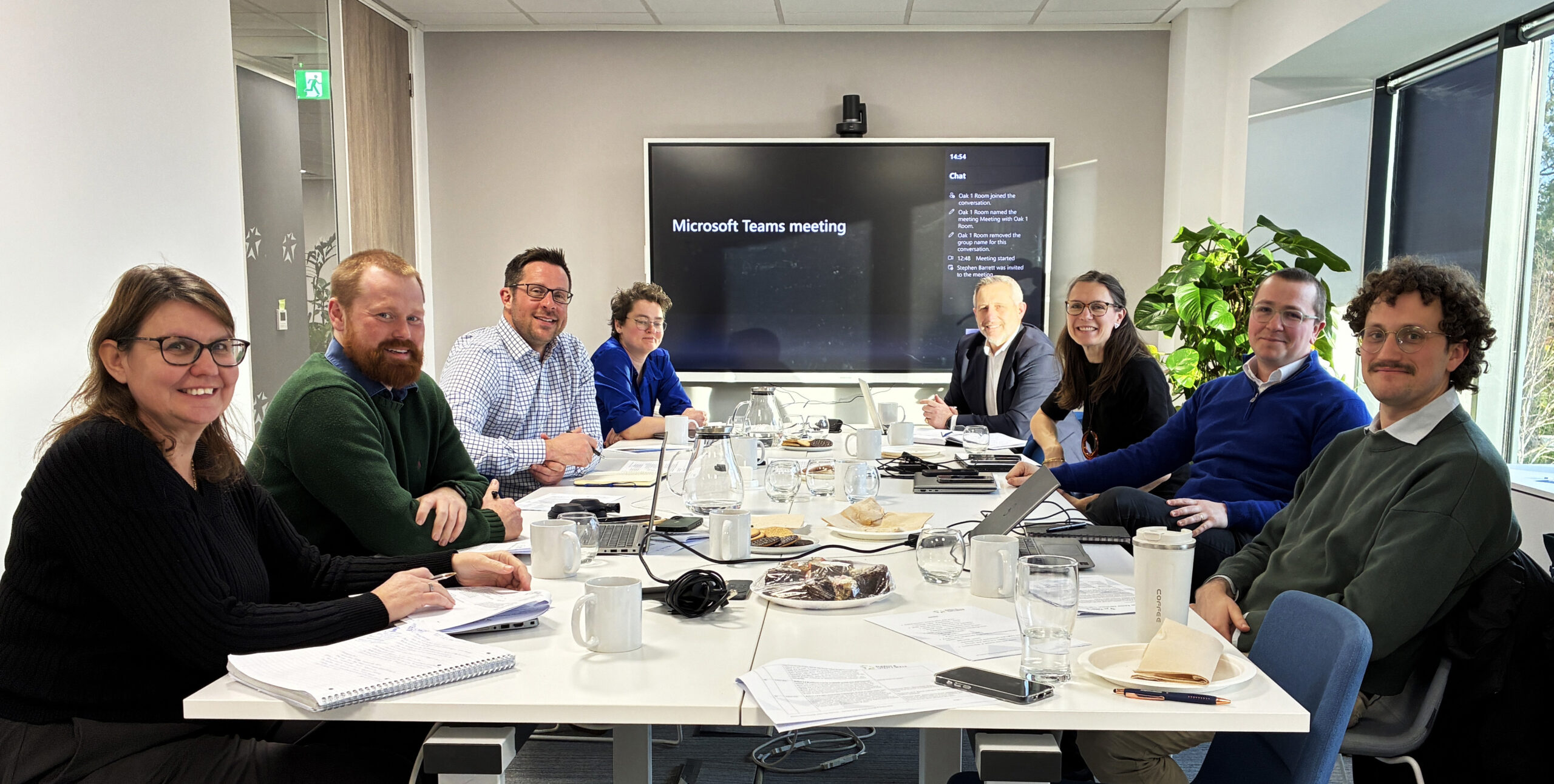
On Wednesday, 7 January 2026 Energy & Utility Skills Group and the Department for Energy Security and Net Zero convened to plan and set out joint priorities and programme of delivery and policy actions for 2026. Focus was on further strengthening industry and government partnership, and sustaining and building momentum towards impactful delivery following the autumn 2025 launches of both the government Clean Energy Jobs Plan and the EUSG Skills Strategy 2025-30.
Meeting at the Midlands office of Energy & Utility Skills Group, the shared 2026 priorities focused on prioritised practical delivery, system engagement, and policy alignment that will support employers, people and communities across England, Wales, Scotland and Northern Ireland.
Early 2026 Priorities
The 7 January agenda focused on delivery, policy and strategy, and engaging the wider skills and employment system.
Delivery priorities were discussed and agreed as:
- Establishing the North Sea Jobs Service to support workers transitioning from the oil and gas sectors into clean energy and wider industrial strategy roles.
- Further strengthening the collaboration and partnership with the Department for Work and Pensions, which will see the first pilot cohort for the innovative sector entry programme that has been co-designed between industry and government and for which first pilot cohorts are planned to enrol this month.
- Working to maximise responses to the testing phase for the proposed sector-wide digital platform. Working with employers, governments and partners across energy, water, and waste that marks a decisive step towards creating a world class workforce capability and national asset for one of the UK’s most critical sectors.
Policy and strategy priorities for early 2026 are:
- To focus Social Inclusion Forum on maximising the partnerships between Energy UK, POWERful Women, and the Energy & Utility Skills Inclusion Measurement Framework. This work will include the continued amplification of best practice, innovation, and impact.
- To deliver a sector attraction campaign from April 2026 and leverage the industry wide commitment to raise the profile of the sector and the diverse range of job and career opportunities across the clean energy sector.
- Embedding fair work principles across skills, employment and procurement activity. This includes alignment with updated social value policy, application of workforce criteria within DESNZ grants and commercial activity, and a focus on job quality, workforce wellbeing and long term retention across the sector.
Immediate skills and employment system engagement priorities are:
- To maximise the combined strengths of industry and government to respond to national consultations. A joint approach was agreed whereby both the Office for Clean Energy Jobs and the Energy & Utility Skills Group will seek to partner to maximise the strengths and capabilities of both organisations to best serve citizens, communities, employers and UK PLC.
- The current focuses include: Finalising the sector’s response to the Department for Education consultation on Post-16 Level 3 and Below Pathways. Providing evidence to inform Migration Advisory Council Temporary Shortage List decision making. Apprenticeship reforms. Growth and Skills Levy policy development.
Get Involved
Future dates for the Social Inclusion Forum will be confirmed in February 2026. The Forum will now serve as the primary mechanism for employers, trade bodies and industry partners to engage in delivery that drives measurable improvement in social inclusion across the clean energy sector. Participation will support improved transparency through earlier ethnicity and disability pay gap reporting, stronger and more consistent workforce data, and accelerated progress in inclusive attraction and recruitment practice.
Find out more about the Clean Energy Jobs Plan published by DESNZ Office for Clean Energy Jobs by following the link here.
Learn more about the Energy & Utility Skills Group 2025-30 Skills Strategy by following the link here.
Join Energy & Utility Skills Group to shape national skills leadership and benefit from collaborative working that supports the workforce delivering the UK’s essential services. Further information about membership and benefits is available here.